Beijing Folio

Beijing · First Edition · Spring 2026

A pocket folio of Beijing's sites, courts and approaches.

Twelve entries on the city visitors actually come to see — the Forbidden City and Tiananmen Square, the Temple of Heaven and the Summer Palace, the Great Wall at Mutianyu, the lived hutongs, the 798 Art District, plus the practical pieces: arrival from either of Beijing's two airports, and how the metro works.

Twelve entries · Three sections · Researched on site

Beijing is a city of vast distances and clear hierarchies. The imperial axis runs north–south through the centre — Tiananmen, the Forbidden City, Beihai, Drum and Bell — and the major sites mostly fall along or near it. Outside the old city, the Summer Palace and the Great Wall pull visitors thirty to seventy-five kilometres further out. Twelve entries here cover the core of what's worth seeing in three to five days, plus the two practical pieces that frame any visit.


Every entry has been visited and rechecked on site. Hours, ticket prices and station codes are current as of spring 2026. They drift, and we revise the folio when we notice.

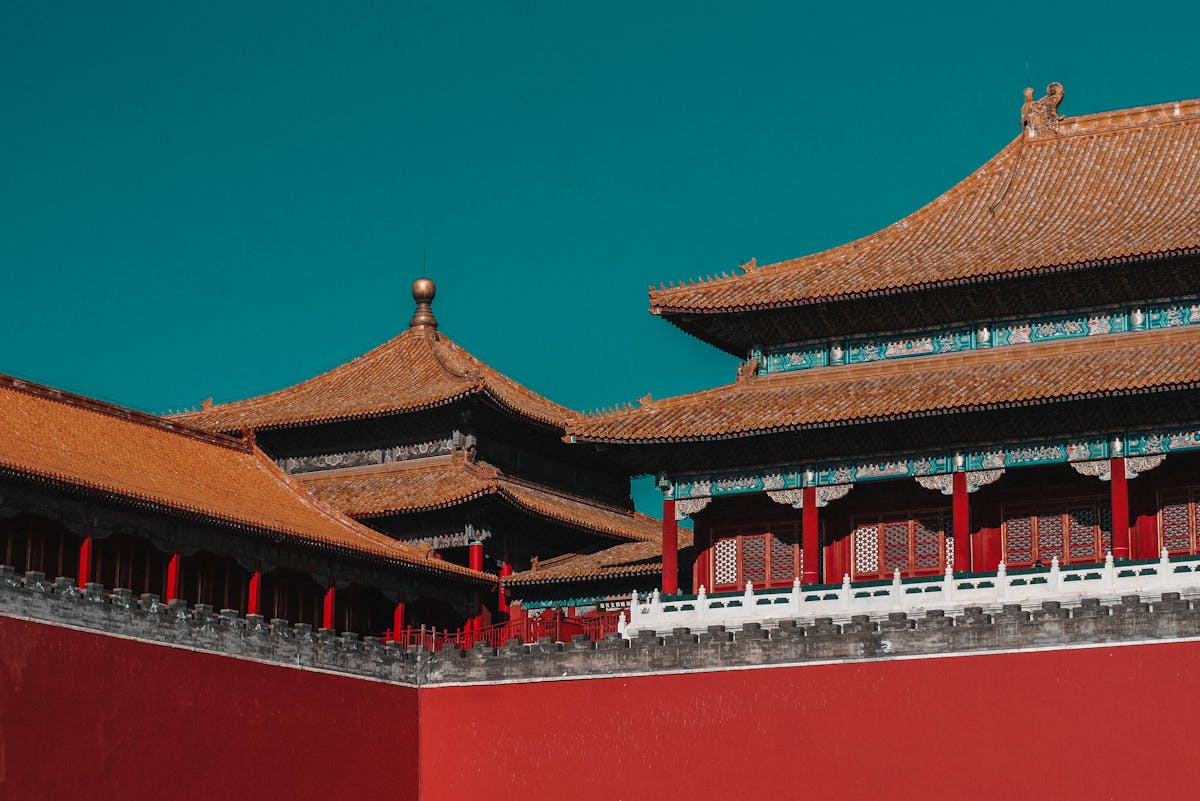
The yellow-tiled roofs and red walls of the Forbidden City viewed from Jingshan Park

no. one

The Forbidden City: 980 buildings on 72 hectares

An imperial palace complex of 980 surviving buildings on 72 hectares, used by twenty-four emperors of the Ming and Qing from 1420 to 1912. Now the Palace Museum, holding the largest single collection of Chinese imperial artefacts in the world.
Dongcheng¥40–608:30–17:00

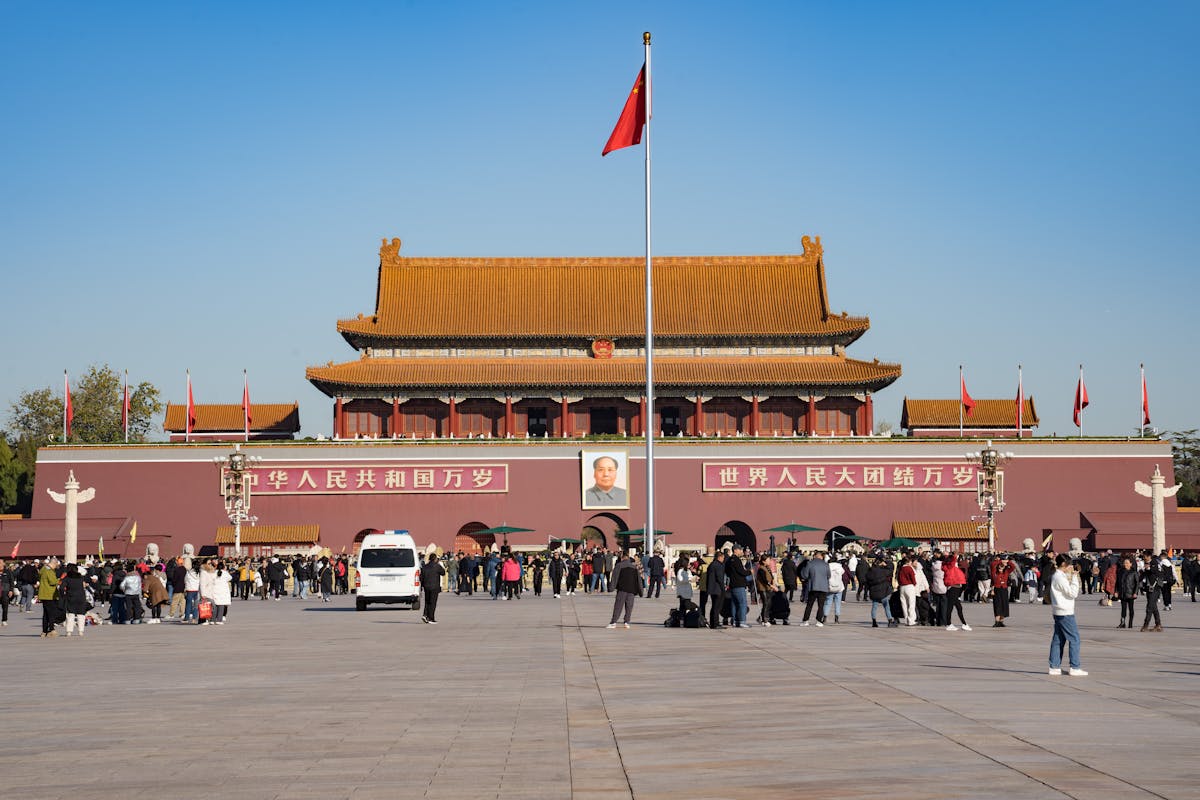
Tiananmen Gate at the north end of Tiananmen Square in Beijing with the Forbidden City beyond

no. two

Tiananmen Square: 440,000 square metres

The largest planned public square in the world, 440,000 sq m at the south end of the Forbidden City. Tiananmen Gate (1417) at the north, Mao's Mausoleum (1977) at the south, the Monument to the People's Heroes between, the Great Hall and National Museum on the flanks.

DongchengFreeSecurity check at perimeter

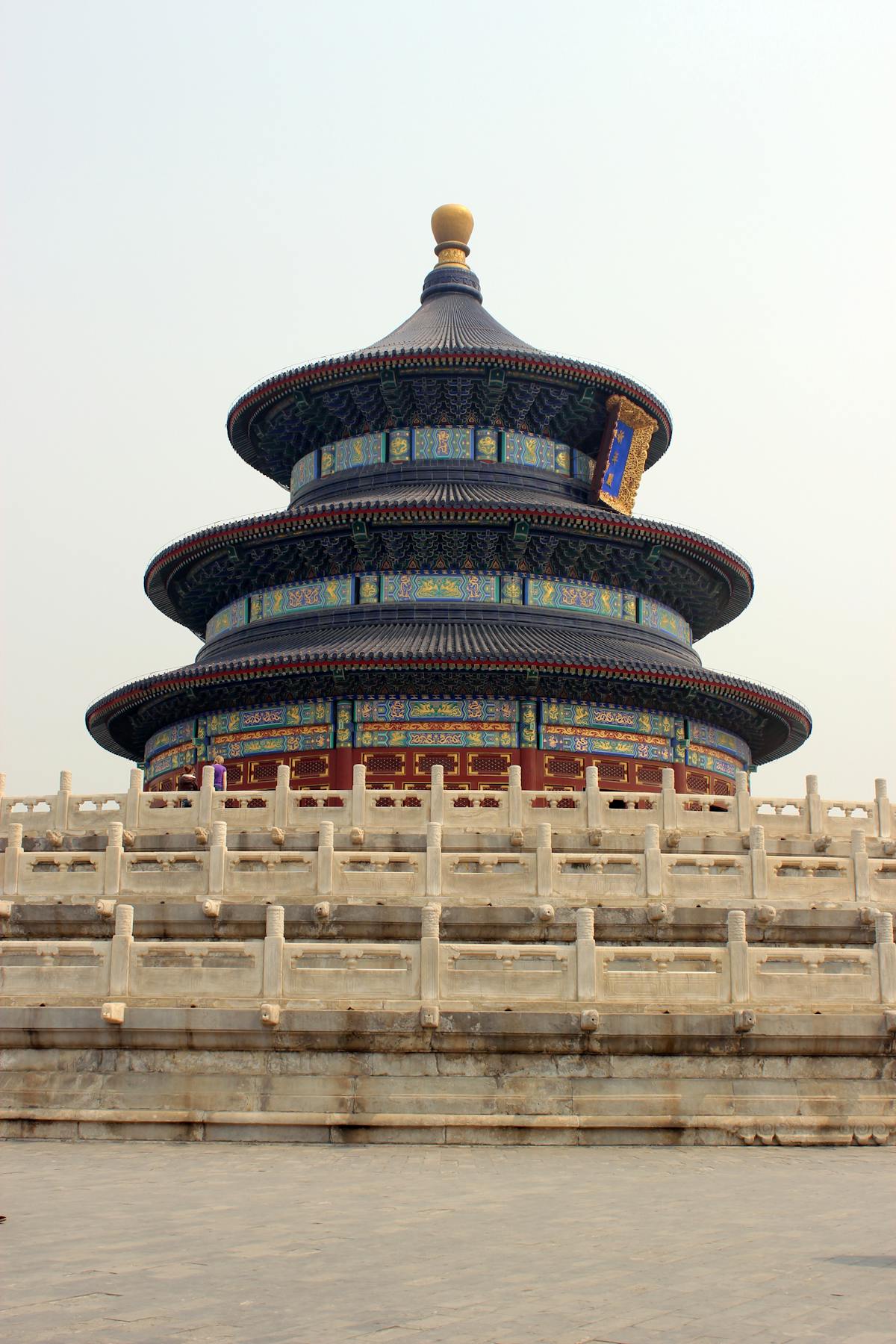
The triple-tiered circular Hall of Prayer for Good Harvests at the Temple of Heaven, Beijing

no. three

Temple of Heaven: where the emperor prayed for harvest

The Hall of Prayer for Good Harvests on a circular triple-tiered marble base, built in 1420 and rebuilt in 1889 after a lightning fire. The Ming and Qing emperors visited each winter solstice for the harvest ceremony. Now a UNESCO site and morning gathering place.

Dongcheng¥35 combo6:00–22:00

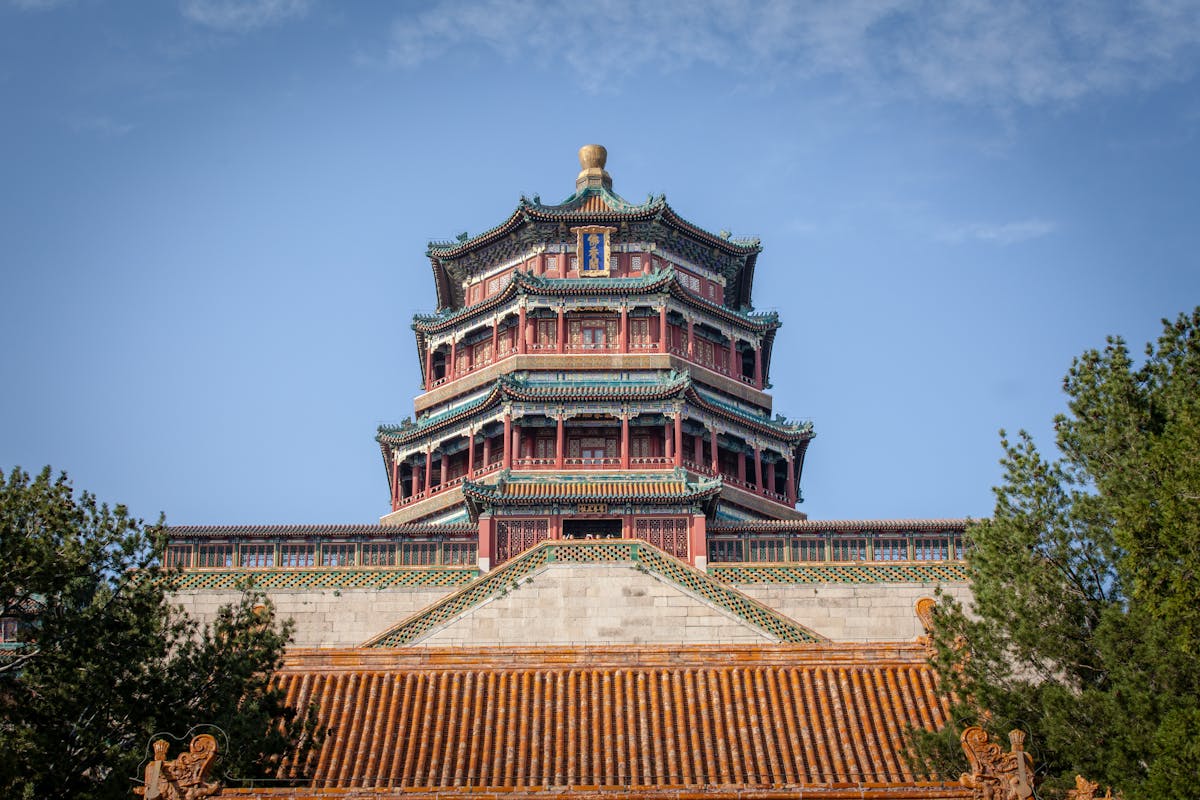
The Tower of Buddhist Incense on Longevity Hill at the Summer Palace, Beijing

no. four

Summer Palace: 290 hectares of imperial garden

The largest surviving imperial garden in China — three-quarters Kunming Lake, one-quarter Longevity Hill, with the 728-metre Long Corridor connecting the Hall of Benevolence to the Marble Boat. Used as the Qing court's summer retreat. UNESCO World Heritage.

Haidian¥30–606:30–18:00

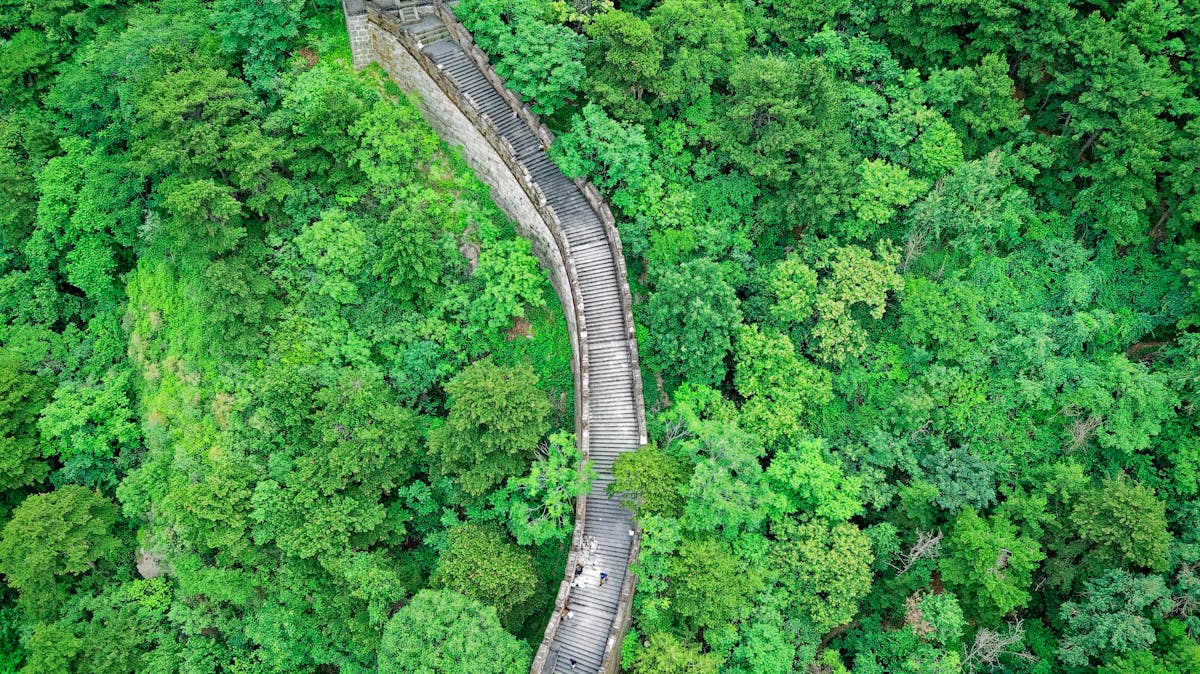
The restored Ming-era Great Wall at Mutianyu with watchtowers along a forested ridge

no. five

Great Wall at Mutianyu: 22 watchtowers, less crowded

A 2.25-kilometre restored stretch of the Ming-era Great Wall in Huairou district, with 22 watchtowers along a forested ridge. Less crowded than Badaling, more accessible than Jinshanling. Cable car or chairlift up; toboggan, chairlift or steps down.

Huairou (75 km)¥457:30–17:30

The yellow-roofed halls and incense burners of Lama Temple, the active Tibetan Buddhist monastery in Beijing

no. six

Lama Temple: a Tibetan Buddhist monastery in central Beijing

A 17th-century imperial residence converted into a Tibetan Buddhist monastery in 1744 by the Qianlong Emperor. The largest functioning lamasery in mainland China, holding the 18-metre standing Maitreya Buddha carved from a single sandalwood trunk.

Dongcheng¥259:00–16:00

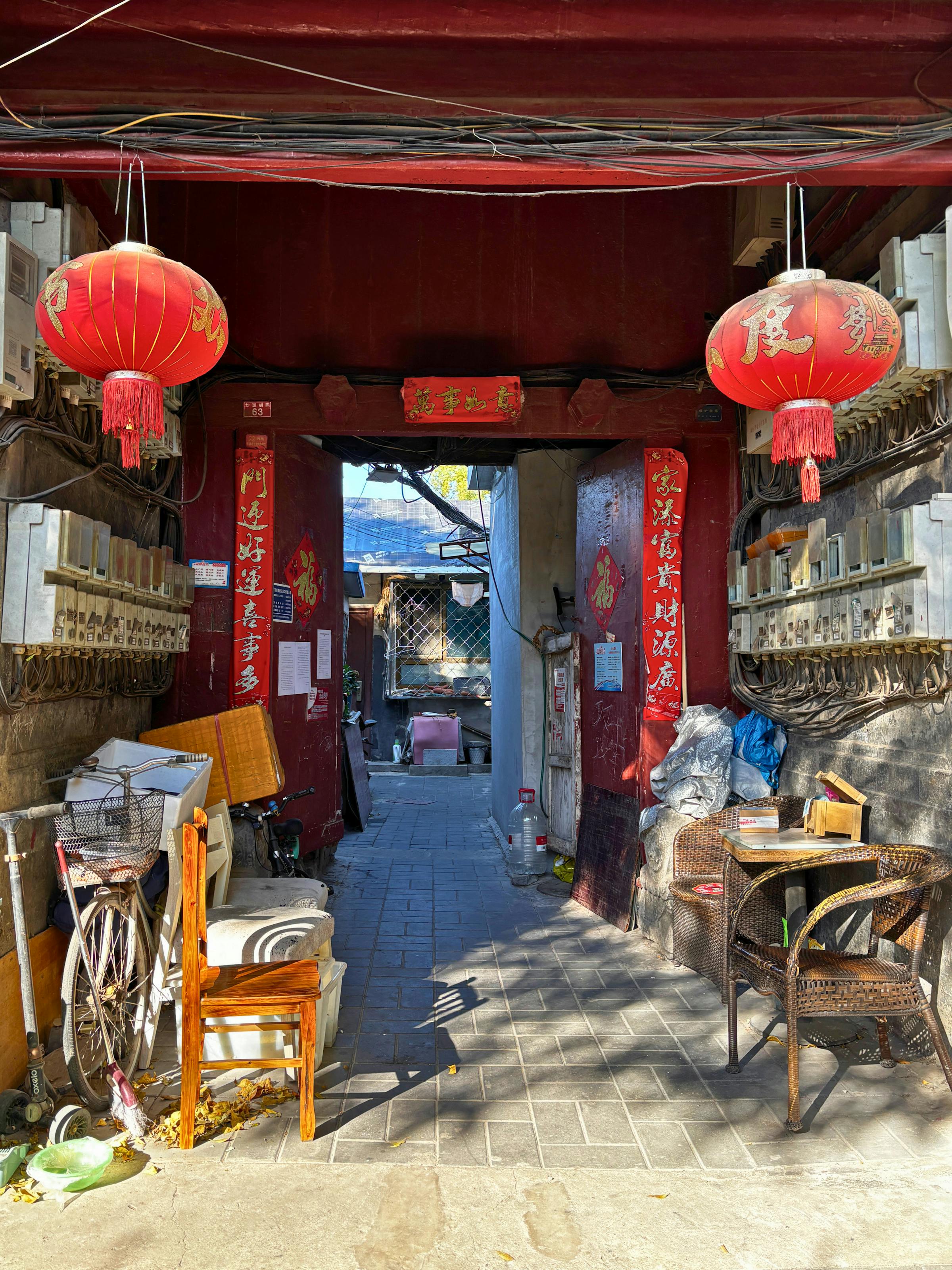
A Beijing hutong alleyway with grey courtyard-house walls and a red-painted wooden door

no. seven

Hutongs around Nanluoguxiang: courtyards and alleys

The grid of narrow alleys north of the Forbidden City, lined with siheyuan courtyard houses dating from the Yuan dynasty onwards. Nanluoguxiang and the side lanes — Mao'er, Yandai Xiejie, Wudaoying — survive as a living residential quarter, increasingly tourist-influenced.

DongchengFreeWalking

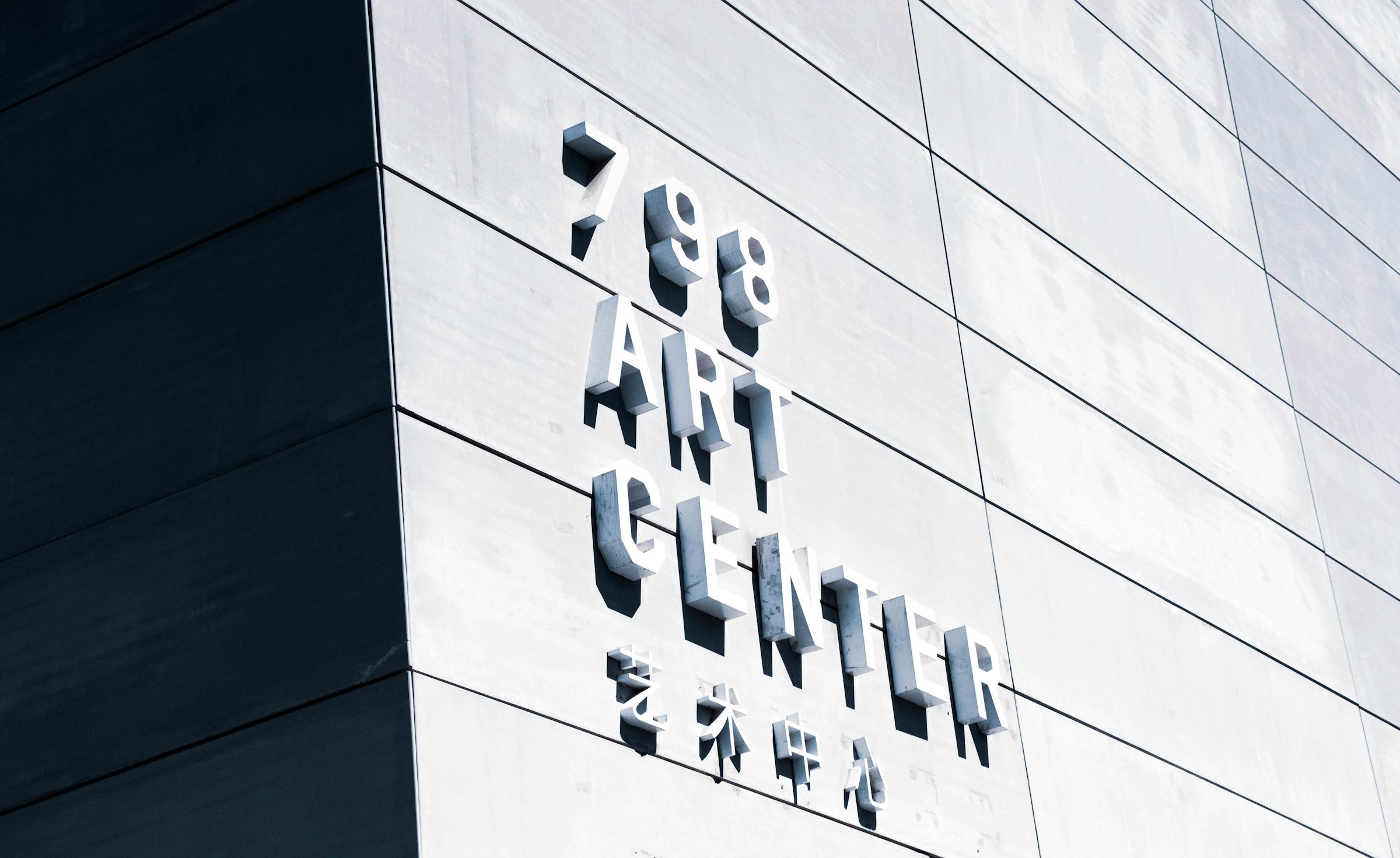
A converted Bauhaus factory hall with sawtooth roof at the 798 Art District in Beijing

no. eight

798 Art District: Bauhaus factories turned galleries

A 1950s East-German-designed Bauhaus military electronics factory complex in Chaoyang, repurposed as China's largest contemporary art zone since 2002. Some four hundred galleries, studios, design firms, restaurants and bookshops occupy the original brick halls.

ChaoyangFreeClosed Mon

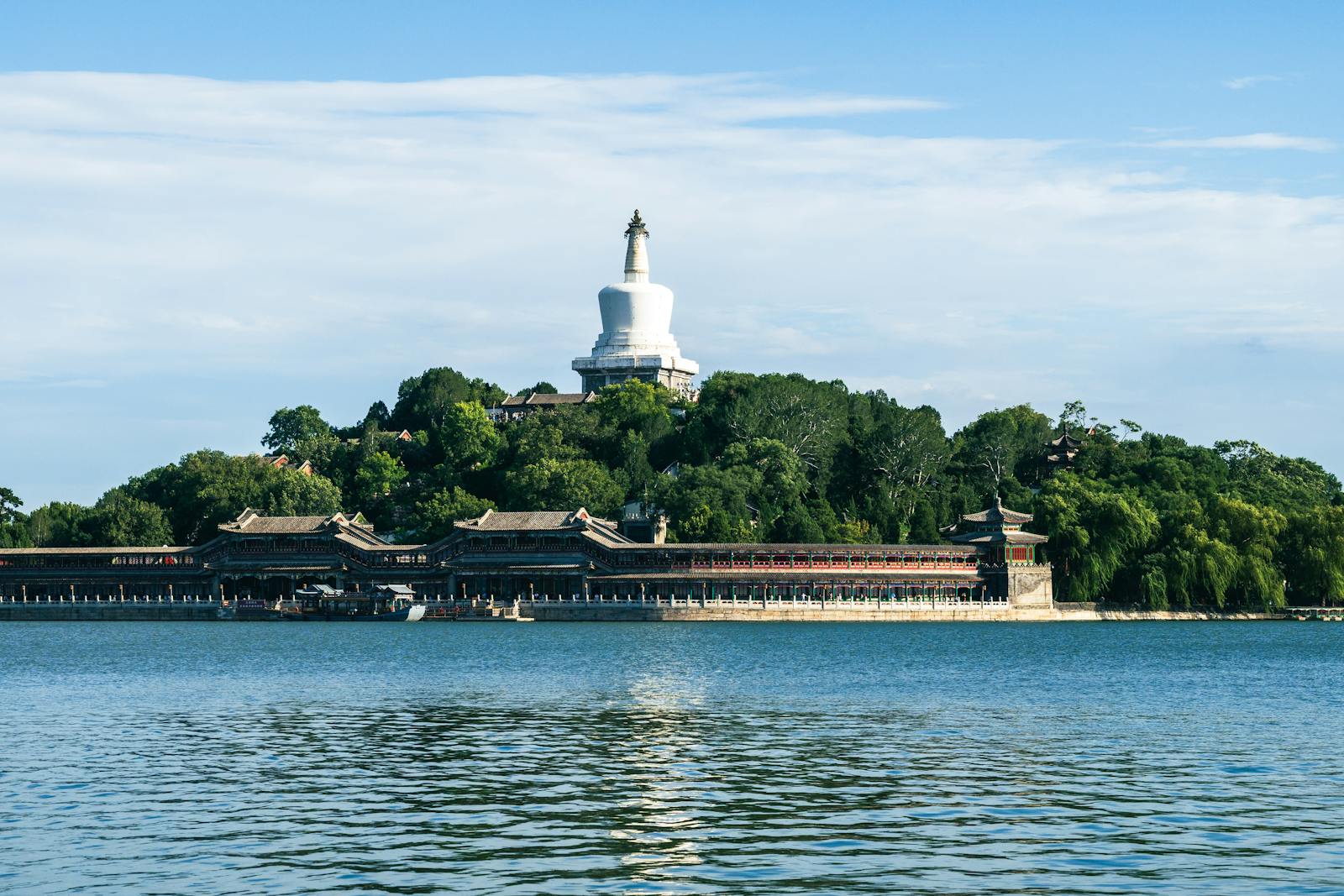
The 36-metre White Pagoda on Jade Flower Island in Beihai Park, Beijing

no. nine

Beihai Park: an imperial garden a thousand years old

One of the oldest, largest and best-preserved Chinese imperial gardens, north-west of the Forbidden City. The 36-metre White Pagoda on Jade Flower Island (1651, Tibetan style) dominates the lake. Used by the courts of Liao, Jin, Yuan, Ming and Qing — a near-millennium of continuous gardening.

Xicheng¥106:30–21:00

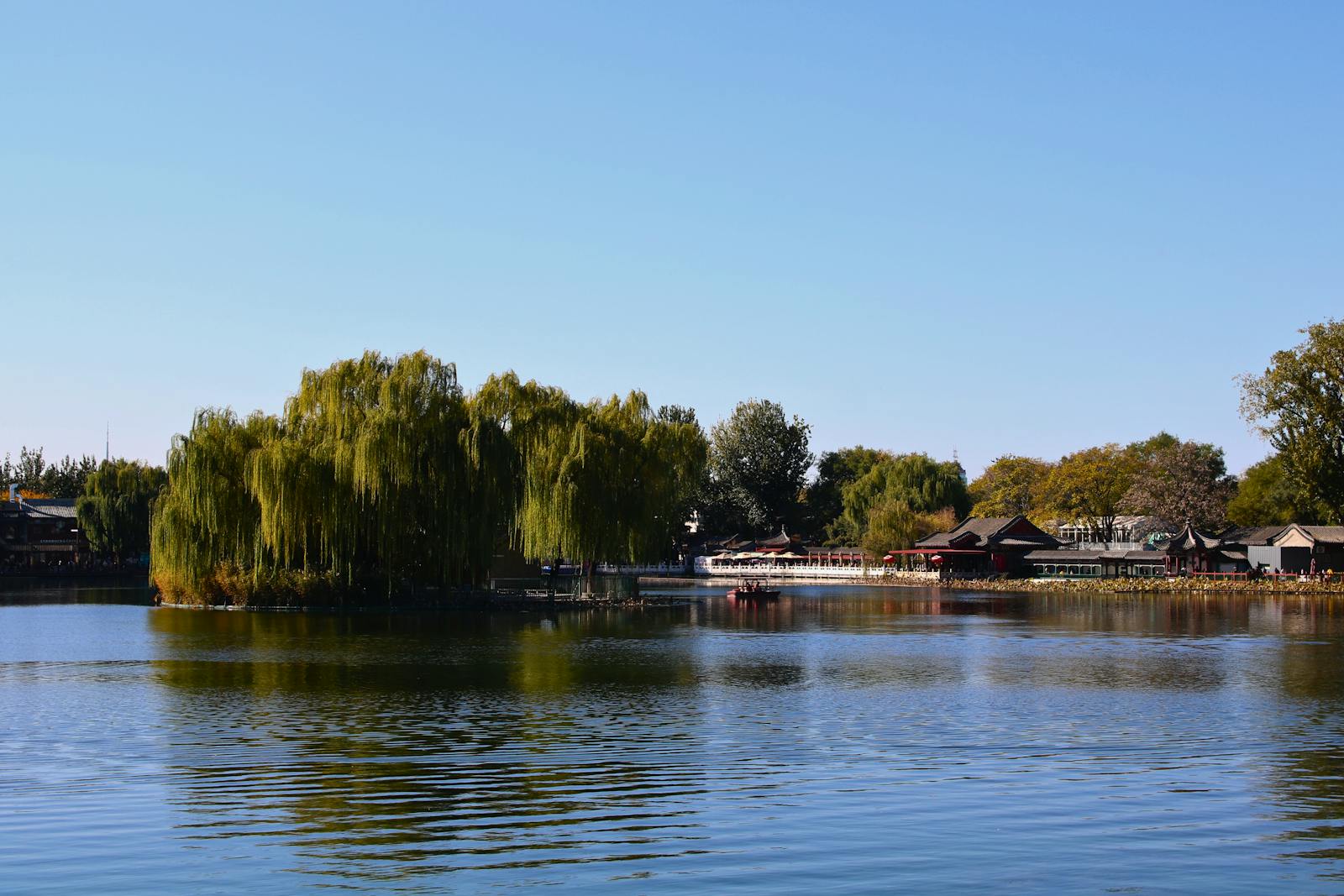
Willow island and traditional architecture on the calm waters of Houhai Lake in Beijing

no. ten

Houhai Lakes: an evening on the imperial waterway

A connected series of three lakes — Qianhai, Houhai, Xihai — that formed the northern terminus of the Grand Canal in the 13th century. Today an evening district of bars, boats and lakefront walking, with the Drum and Bell Towers a short walk north.

XichengFree perimeter24/7

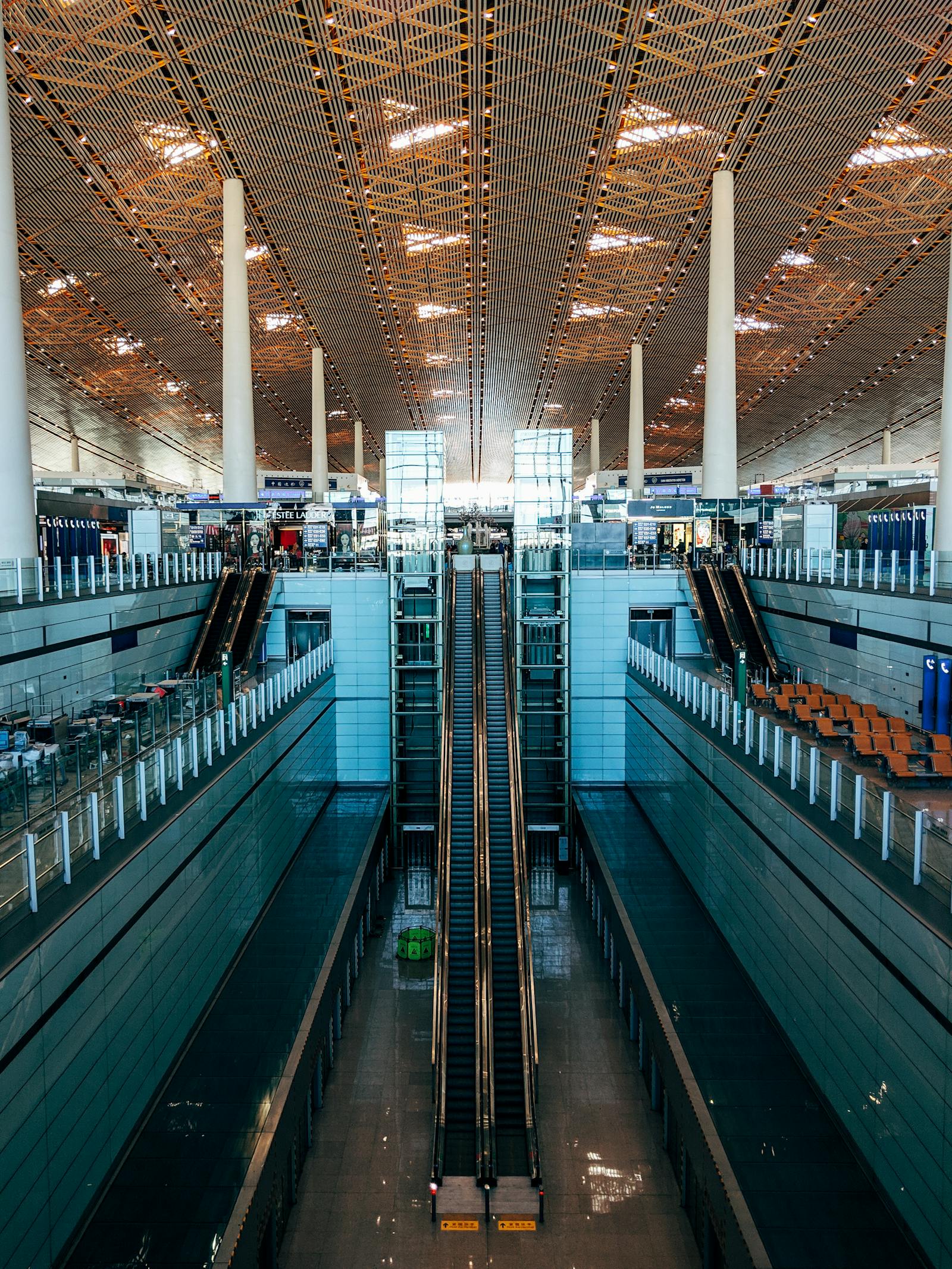
Beijing Capital International Airport terminal exterior with the curving roof of Terminal 3

no. eleven

Beijing airport transfer: PEK and PKX to the city

Beijing has two international airports — Capital (PEK) 32 km north-east, and Daxing (PKX) 46 km south, opened 2019. Both have dedicated express subway lines, shuttle buses and taxi access. The trade-offs are sharper than they look.

PEK 32 km · PKX 46 kmSubway / taxi

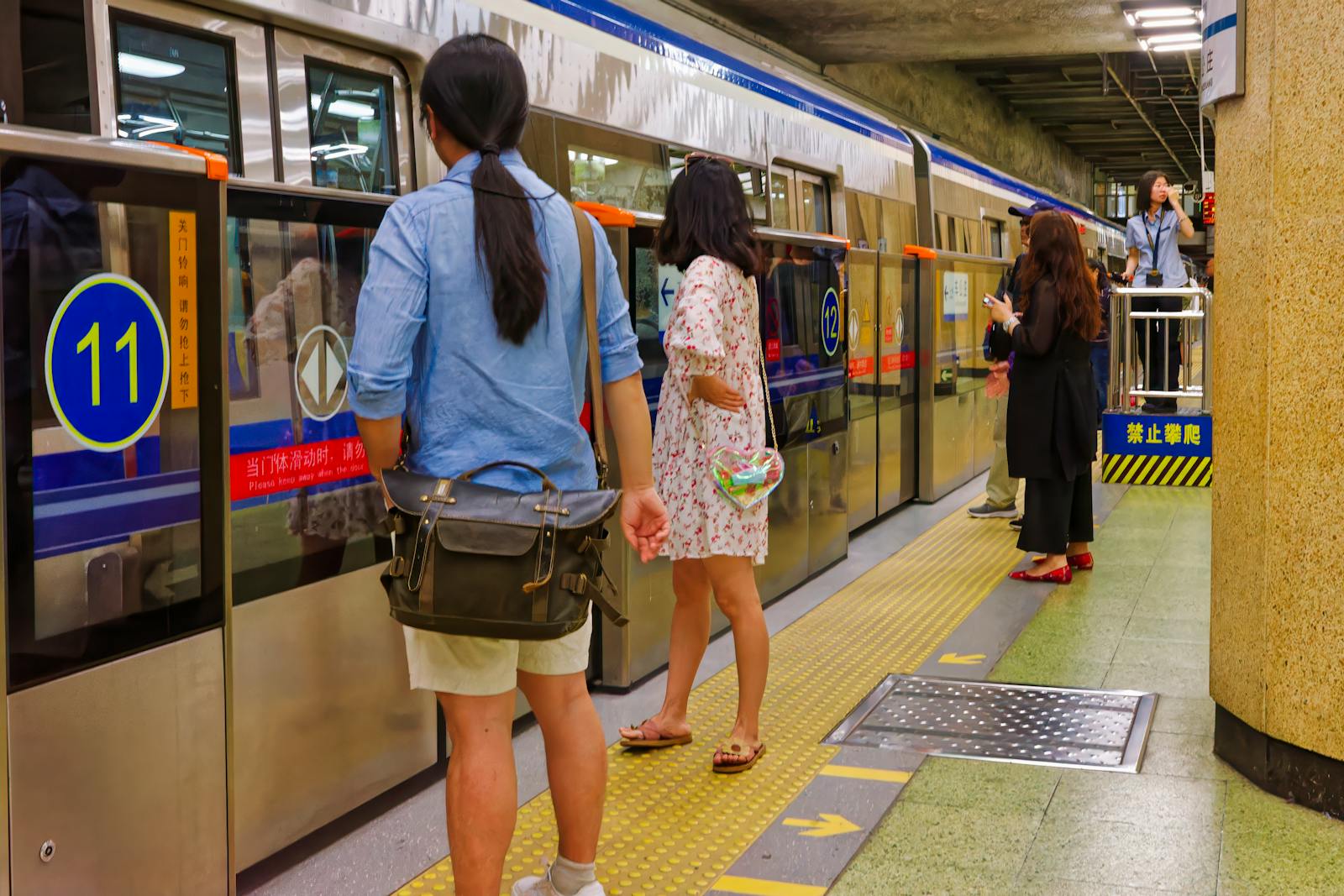
A Beijing Subway train at a platform with bilingual Chinese-English signage

no. twelve

Getting around Beijing: subway, taxi, DiDi

Twenty-seven subway lines and roughly 800 km of network — the world's largest by length. Fares from ¥3, distance-based, ¥6–9 typical. DiDi the dominant ride-hail (the international app works for foreign cards); taxis abundant, signage bilingual throughout.

CitywideSubway 5:00–23:00